

Fingerstyle Bass Technique
Develop a solid right-hand fingerstyle foundation with alternating fingers, muting technique, and consistent tone production.

Every profile is identity checked before it goes live. Compare rates and lesson format, then message a teacher before you book.
Piano, guitar, bass and drum tutor
Pianist/Keyboardist, Vocalist
Professional Bass, Guitar, Keys & Musicianship Lessons
The bass guitar is the bridge between rhythm and harmony, locking in with the drums to create the groove while outlining the chord progression that guides every other musician on stage. Learning bass in the UK develops your sense of time, your ability to listen to and support other musicians, and a deep understanding of how rhythm and harmony work together. Bass players are among the most sought-after musicians in every genre, from funk and soul to rock, jazz, and pop. If you love music that makes people move, the bass guitar puts you at the centre of what makes it happen.
Different sounds. Your starting point.
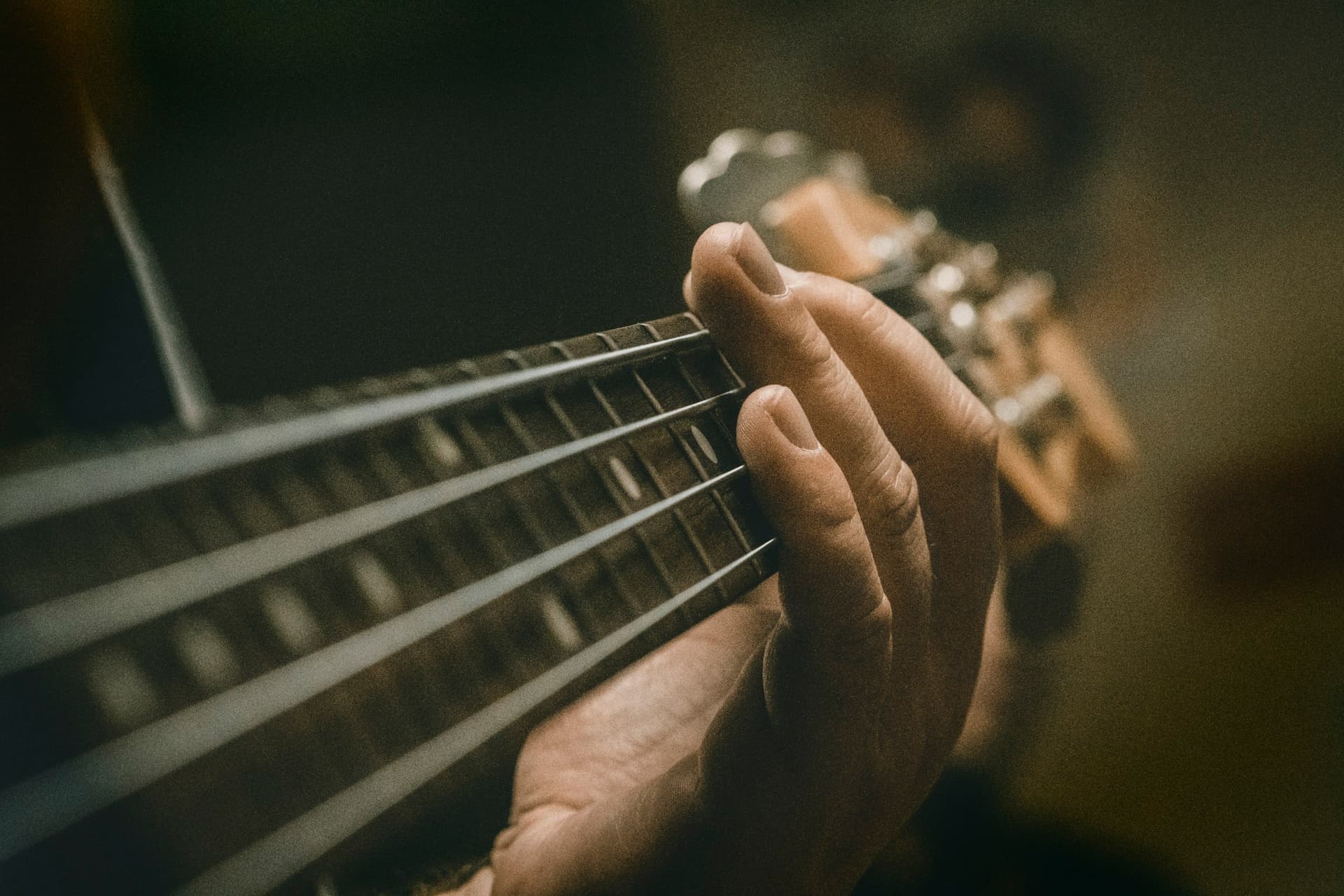
Develop a solid right-hand fingerstyle foundation with alternating fingers, muting technique, and consistent tone production.
Learn the thumb slap, finger pop, double thumb, and ghost note techniques that define funk bass.
Master the role of the bass in a rock and pop band context: root-note patterns, octave lines, walking approaches, and how to build energy in a song.
Learn to construct walking bass lines from chord charts, develop your knowledge of jazz harmony from the bass player's perspective, and explore soloing techniques.
Understand the fretboard through scales, arpeggios, intervals, and chord construction.
Prepare for graded bass guitar exams with focused work on set pieces, technical exercises, sight reading or improvisation options, and ear tests.
The bass guitar occupies a unique musical role, sitting at the intersection of rhythm and harmony.
Small shapes open up songs you already love.
Based on our current teachers, prices range from £26.25 to £42 per hour as of July 2026, with an average of £35. Bass guitar lesson prices in the UK are similar to electric guitar rates. Teachers with professional session, touring, or recording credits may charge a premium, which reflects the practical, real-world skills they bring to lessons.
Bass has thicker strings but typically plays single-note lines rather than chords, making the initial finger patterns simpler. However, developing a solid sense of time, groove, and musical awareness is a lifelong pursuit. Bass teachers in the UK will challenge you musically from the start.
A small practice amp is useful for hearing the full low-end tone of the bass, but you can also practise through headphones using a headphone amp or audio interface. Many bass students in the UK practise unplugged for finger exercises and plugged in for groove work.
A 4-string bass is the standard starting point and covers the vast majority of musical situations. 5-string basses add a low B string used in gospel, metal, and some jazz contexts. Your UK bass teacher will almost certainly recommend starting on a 4-string.
Absolutely. Bass is a distinct instrument with its own techniques, role, and musical language. Many of the world's greatest bass players never played guitar. Starting directly on bass in the UK means you develop bass-specific skills from day one without guitar habits that may not transfer.
Many bass students in the UK are ready to play simple songs in a band within 3 to 6 months. The bass role in many pop and rock songs involves patterns that beginners can handle, and playing with real musicians accelerates your development faster than practising alone.
