

Classical Trumpet
Study the orchestral and solo trumpet repertoire from Haydn and Hummel concertos through to Arutiunian and contemporary works.

Every profile is identity checked before it goes live. Compare rates and lesson format, then message a teacher before you book.
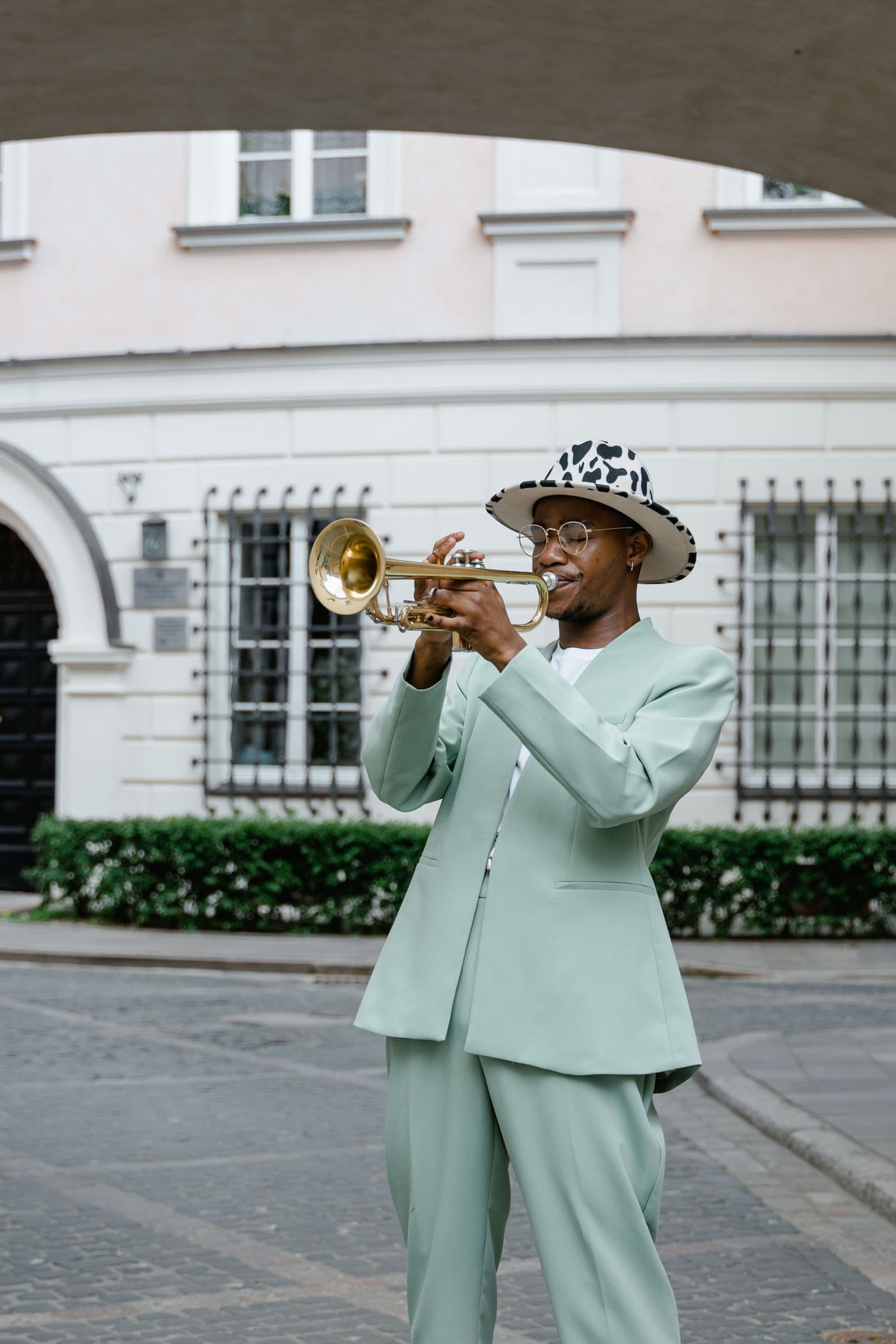
The trumpet is the brightest, most penetrating voice in the brass family, capable of brilliant fanfares, lyrical melodies, and blistering jazz improvisation. Learning trumpet in the UK develops your embouchure, a precise and muscular lip formation that shapes every note, along with breath control, tongue articulation, and the ear to find pitches using only three valves and your air stream. From the baroque splendour of Handel to the bebop of Dizzy Gillespie, the trumpet has been at the centre of Western music for centuries. Its commanding presence in orchestras, big bands, brass quintets, and pop horn sections makes it one of the most versatile and in-demand brass instruments.
Different sounds. Your starting point.
Study the orchestral and solo trumpet repertoire from Haydn and Hummel concertos through to Arutiunian and contemporary works.
Explore jazz language from Louis Armstrong and Miles Davis through to modern players.
Develop the section-playing skills essential for brass bands, wind ensembles, and orchestral trumpet sections.
Build the range, endurance, and power needed for lead trumpet in big bands, function bands, and studio sessions.
Thorough preparation for graded trumpet exams covering set pieces, scales, lip flexibility exercises, sight reading, and aural tests.
An encouraging introduction for complete beginners, starting with buzzing exercises, mouthpiece work, tone production, and first notes.
The trumpet can cut through any ensemble with a brilliance and clarity that no other instrument matches.
Breath and technique give your sound its character.
Teachers on LearnMusic set their own rates — most profiles range from £26.25 to £84.00 per hour as of July 2026, depending on teacher experience and lesson length. Trumpet lesson prices in the UK depend on the teacher's professional background. Orchestra principals, touring jazz soloists, and West End players command higher rates, reflecting their specialist knowledge and real-world performance experience.
Most children begin trumpet or cornet between ages 7 and 10, once their front adult teeth are established and their lungs are developed enough to produce a tone. Cornet, being slightly smaller and lighter, is often preferred for younger starters. UK brass teachers can assess readiness at a trial lesson.
The trumpet demands more from the embouchure than most instruments, and building range and endurance takes consistent daily practice. However, the fingering system is simple (only three valves), and progress is steady with regular lessons. UK trumpet teachers structure lessons to keep motivation high during the early stages.
The trumpet is one of the loudest acoustic instruments. Practice mutes reduce volume significantly and are essential for home practice in flats and terraced houses. Some UK students use brass practice rooms or rehearse during daytime hours to manage noise.
Both use the same mouthpiece technique. Cornet is common in the British brass band tradition and is slightly smaller, while trumpet is standard in orchestras, jazz, and most other contexts. Your UK teacher can advise based on which ensembles you hope to join.
Yes. Adult beginners develop good tone quickly because they understand breathing and can commit to regular practice. Many trumpet teachers in the UK work with adult starters and will focus on the genres and goals that motivate you.
