

Jazz Saxophone & Improvisation
Learn jazz language from swing and bebop through to modal and contemporary styles.

Every profile is identity checked before it goes live. Compare rates and lesson format, then message a teacher before you book.
The saxophone bridges the power of brass with the agility of woodwind, producing a sound that can be smoky and intimate or brash and soaring. Learning saxophone in the UK develops embouchure control, breath support, and the finger dexterity to navigate chromatic passages across a wide range. Invented in the 1840s by Adolphe Sax, it became the defining voice of jazz and remains central to funk, soul, R&B, and contemporary pop. Whether you dream of playing Charlie Parker bebop lines, a soulful ballad, or a punchy horn section part, the saxophone delivers a sound that is immediately recognisable and deeply satisfying.
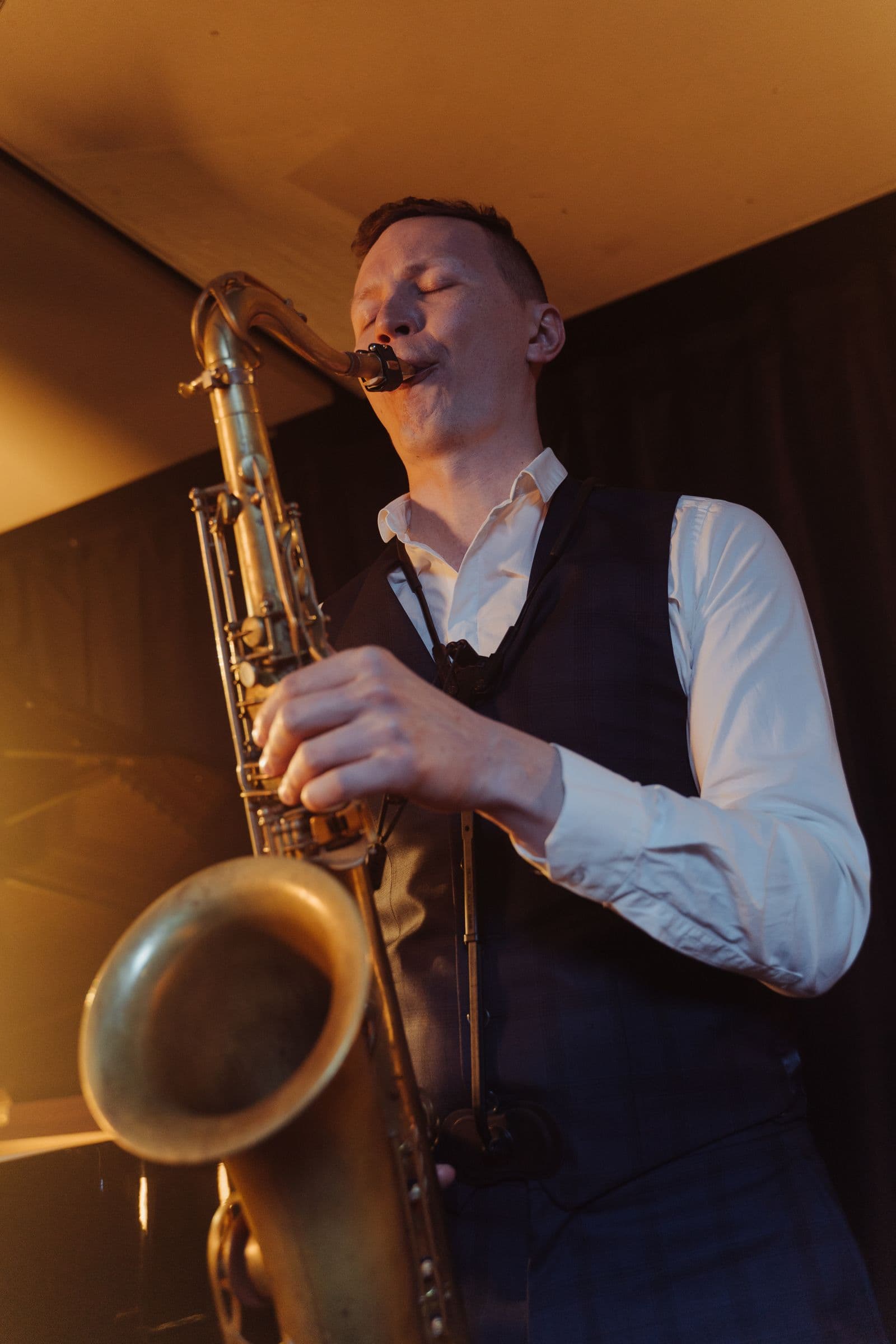
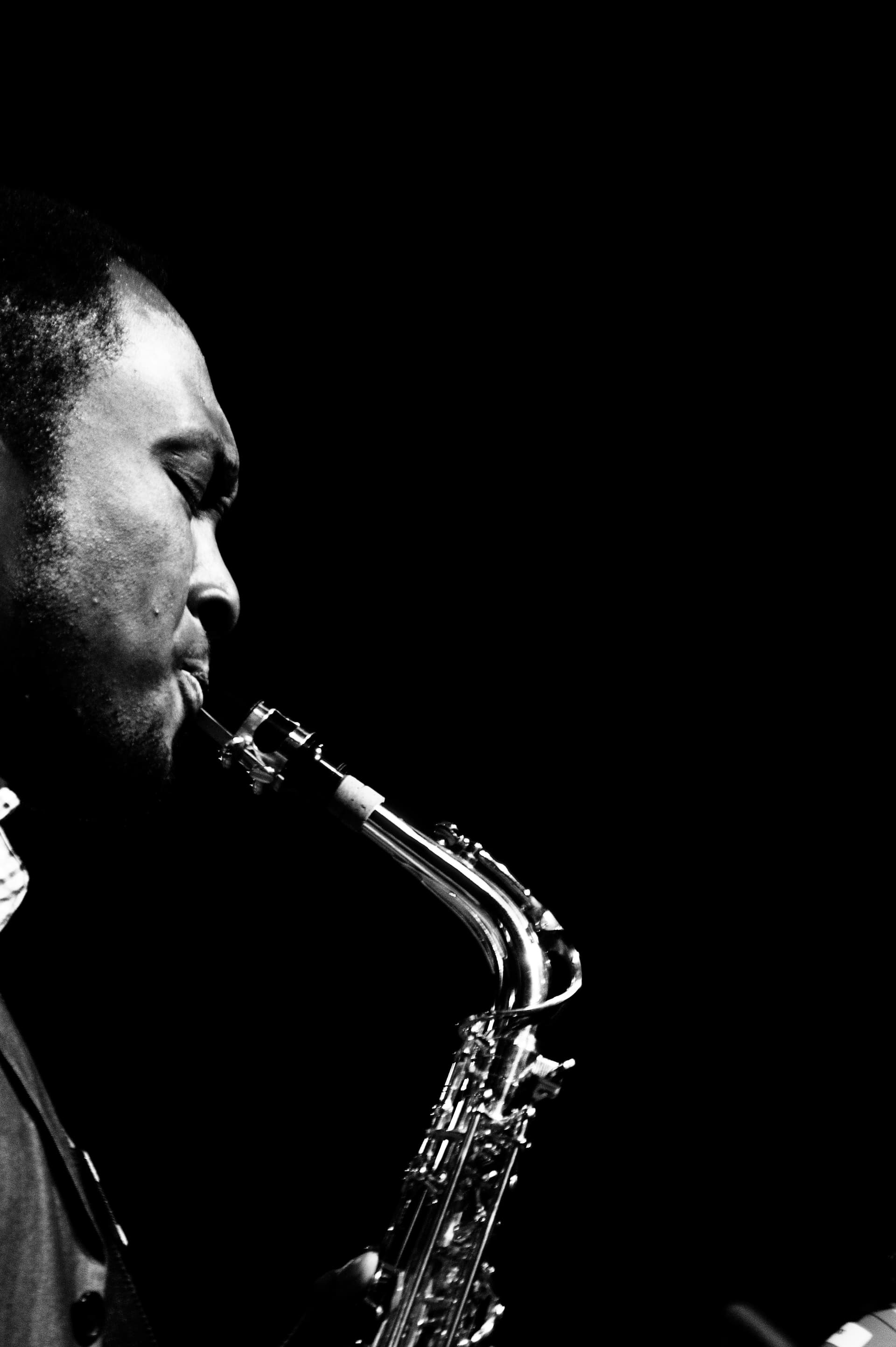
Different sounds. Your starting point.
Learn jazz language from swing and bebop through to modal and contemporary styles.
Study the growing classical saxophone repertoire from Glazunov and Ibert through to modern commissions.
Master the punchy, rhythmic style heard in horn sections and solo breaks across pop and soul music.
Whether you play alto, tenor, soprano, or baritone, lessons are tailored to your specific instrument.
Focused preparation for graded saxophone exams covering performance pieces, scales, sight reading, and aural tests.
Develop the section-playing skills needed for big bands, wind ensembles, and function bands.
The saxophone responds to every nuance of your breath and embouchure, allowing bends, growls, subtones, and overtones that give you an enormous palette of tonal colour.
Breath and technique give your sound its character.
Based on our current teachers, prices range from £31.5 to £47.25 per hour as of July 2026, with an average of £40. Saxophone lesson prices in the UK depend on the teacher's performance background and specialism. Jazz saxophonists with professional gigging experience and classical players with conservatoire training are at the higher end. Many teachers offer a discounted trial lesson.
Alto saxophone is the most common choice for beginners because it is smaller, lighter, and requires slightly less air. However, if you are specifically drawn to the tenor sound, starting on tenor is perfectly fine. Your UK saxophone teacher can help you decide based on your musical goals and physical build.
Most beginners produce a decent tone within the first few lessons and can play simple tunes within a month. Reaching a comfortable intermediate level where you can play in a band or ensemble typically takes 1 to 2 years of consistent lessons and practice in the UK.
Yes, the saxophone is a loud instrument that is difficult to muffle. Practising in a detached house or during daytime hours is usually fine. Some UK students use practice mutes or find rehearsal rooms to avoid neighbour issues, particularly in flats and terraced houses.
You will need a saxophone to practise on, but your UK teacher can advise on renting before buying. Rental schemes allow you to try the instrument without a large upfront cost. Avoid very cheap unbranded saxophones, as they cause frustration with poor intonation and unreliable key mechanisms.
Yes, saxophone is a popular choice for adult beginners. The embouchure develops at any age, and adults often progress quickly through theory and reading. Many saxophone teachers in the UK specialise in adult learners and will tailor lessons to the styles you want to play.
