

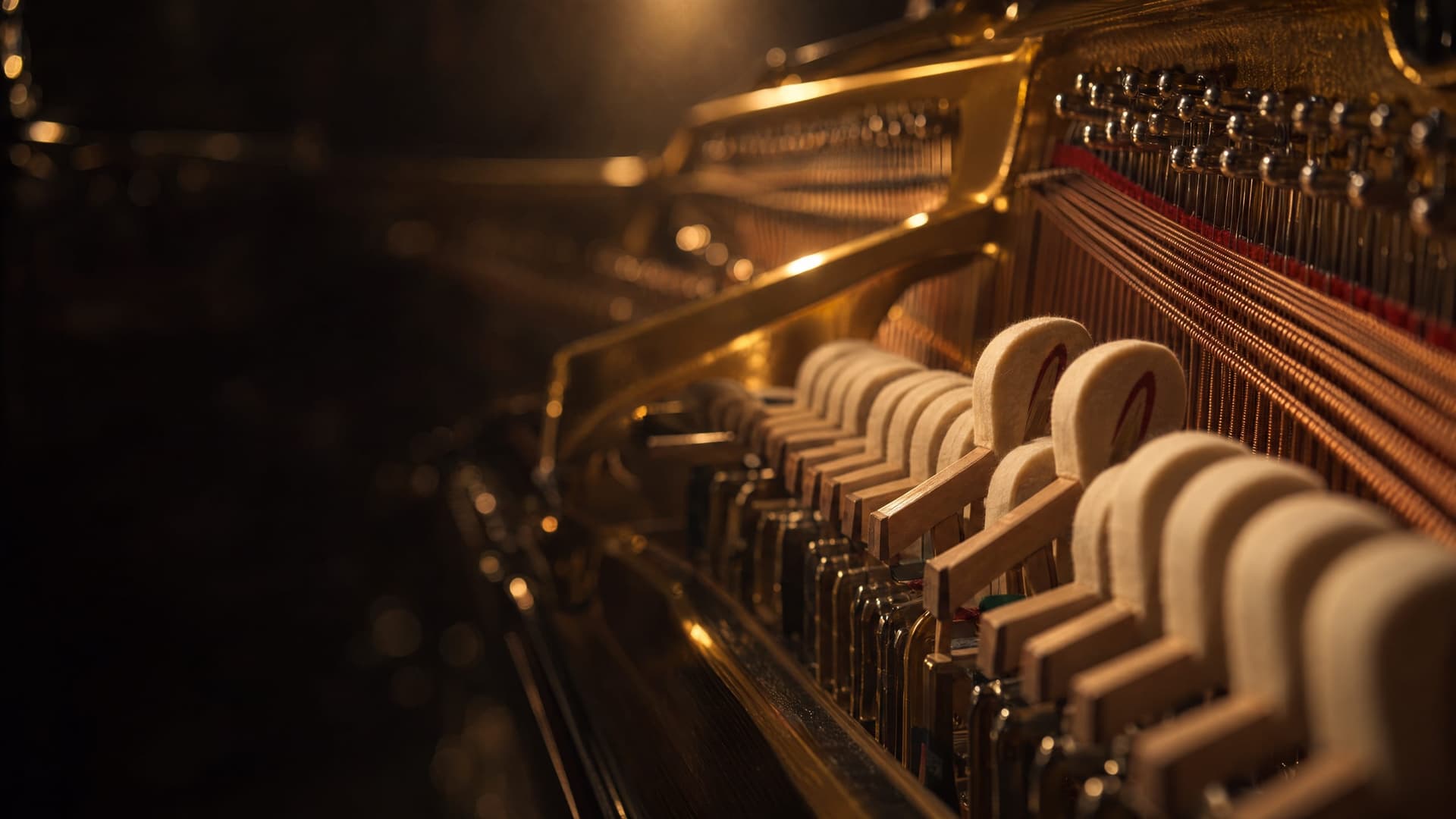
Piano Teachers online
Teacher profiles currently connected to this location and instrument. Compare rates, lesson format, and trust information before you enquire or book.
Jimmy.V
Master of performance in guild hall
Alise Lessons
Amy Rose Esdale
Songwriting/Singing/Piano/Guiitar/Production Tutor
Arun Mcgoay
I am a ABRSM Trained Pianist.
Yotham Ben Yami
Guildhall-trained composer & piano teacher
Catherine Dillon
A realistic starting point for lessons in Online
Online music tuition removes all geographic barriers, connecting students across the UK with expert tutors regardless of location. Whether you are in a rural village, a bustling city, or anywhere in between, you can access the same quality of teaching that was once only available in major music centres. Online lessons have become a mainstream and highly effective way to learn an instrument or develop vocal technique.
More about the local music scene
Online music education has grown rapidly, with conservatoires, universities, and independent tutors all embracing video-based teaching. Many of the UK's leading institutions, including the Royal Academy of Music and the Royal Northern College of Music, now offer elements of their programmes online. The flexibility of online lessons makes music education accessible to students of all ages, abilities, and schedules.
What lessons usually focus on
The piano is the most complete instrument for understanding music, giving you access to melody, harmony, and bass all at once across 88 keys. Learning piano in Online develops your ability to read both treble and bass clef simultaneously, building a harmonic awareness that transfers to every other instrument. The visual layout of the keyboard makes intervals and chord structures intuitive in a way no other instrument offers. Whether you want to perform Chopin nocturnes, comp jazz standards, or write your own songs, piano gives you the full musical picture from day one.
Use this page to get oriented, then compare real teacher profiles.
The best fit still comes down to the teacher’s experience, lesson style, rates, and whether they teach in person, online, or both.
Types of Piano Lessons
Piano lessons come in many styles. Here are some of the most popular approaches our teachers offer.
Classical Piano
Develop refined technique through the core classical repertoire, from Bach inventions and Mozart sonatas to Romantic-era works by Chopin and Debussy. Lessons focus on tone production, pedalling, phrasing, and building a solid practice routine.
Jazz Piano & Comping
Learn jazz voicings, shell chords, rootless voicings, and walking bass lines. Explore improvisation over standards, develop your ear for chord extensions, and build the vocabulary to sit in with any jazz combo.
Pop & Singer-Songwriter Piano
Master contemporary chord patterns, rhythmic accompaniment styles, and arrangement techniques used by artists like Adele, Billy Joel, and Alicia Keys. Ideal for singers who want to accompany themselves.
Music Theory & Sight Reading
Use the piano as your theory laboratory. Understand key signatures, harmonic progressions, modulation, counterpoint, and form through hands-on playing rather than abstract exercises.
ABRSM/Trinity Exam Prep
Targeted preparation for graded piano exams including performance pieces, scales, arpeggios, sight reading, and aural tests. Lessons are tailored to the specific requirements of your chosen exam board and grade.
Adult Returner Piano
Designed for adults returning to the piano after years away or starting fresh. Focus on efficient practice strategies, overcoming tension, and choosing repertoire that keeps you motivated without the pressure of a formal syllabus.
Why Learn Piano?
Complete Harmonic Foundation
The piano is the only common instrument where you can play melody, harmony, and bass simultaneously. This gives you a deep, intuitive understanding of how music works that directly benefits composing, arranging, and learning any other instrument later.
Versatility Across Every Genre
From classical recitals and jazz clubs to pop sessions and film scoring, the piano is central to virtually every genre of Western music. One instrument opens the door to an extraordinary range of musical contexts and career opportunities.
Cognitive and Coordination Benefits
Playing piano demands independent coordination between both hands, reading two staves simultaneously, and managing dynamics and pedalling. Research consistently links piano study to improved memory, spatial reasoning, and executive function.
Frequently Asked Questions
How much do piano lessons cost in Online?
Based on our current teachers, prices range from £37.01 to £63 per hour, with an average of £48. Piano lesson prices in Online vary based on the teacher's qualifications, experience, and whether lessons are in-person or online. Concert-level pianists and conservatoire graduates typically charge at the higher end, while newer teachers offer more affordable rates.
Do I need a piano at home to take lessons in Online?
You will need a keyboard or piano to practise on between lessons. A weighted 88-key digital piano is the minimum recommended for serious study, as it replicates the touch response of an acoustic instrument. Many Online music shops offer rental schemes if you want to try before committing to a purchase.
How long does it take to pass Grade 5 piano?
Most students working consistently reach Grade 5 in 3 to 5 years, depending on practice frequency and starting age. Adult learners in Online who practise 30 to 45 minutes daily often progress faster through the early grades due to greater focus and motivation.
Can I learn piano as an adult beginner in Online?
Absolutely. Many of the piano teachers on our platform in Online specialise in adult beginners. Adults often progress quickly through theory and reading because of stronger analytical skills, and teachers will tailor repertoire to your musical taste to keep you engaged.
What is the difference between ABRSM and Trinity piano exams?
ABRSM exams place a strong emphasis on aural skills and musical understanding alongside performance, while Trinity exams offer more flexibility with own-choice pieces and include options for digital piano at lower grades. Your Online piano teacher can advise which board suits your goals and playing style.
Should I learn to read music or play by ear on piano?
Both skills are valuable, and a good piano teacher in Online will develop them in parallel. Reading opens up the vast classical and jazz repertoire, while ear training lets you learn songs quickly, improvise, and accompany other musicians. Most professional pianists rely on a strong combination of both.
Also Available in Online
Explore other music lessons with teacher profiles connected to Online.
Are you a piano teacher? Apply to teach music in Online — set your own rates and teach online or in person.