

Clarinet Teachers online
Teacher profiles currently connected to this location and instrument. Compare rates, lesson format, and trust information before you enquire or book.
A realistic starting point for lessons in Online
Online music tuition removes all geographic barriers, connecting students across the UK with expert tutors regardless of location. Whether you are in a rural village, a bustling city, or anywhere in between, you can access the same quality of teaching that was once only available in major music centres. Online lessons have become a mainstream and highly effective way to learn an instrument or develop vocal technique.
More about the local music scene
Online music education has grown rapidly, with conservatoires, universities, and independent tutors all embracing video-based teaching. Many of the UK's leading institutions, including the Royal Academy of Music and the Royal Northern College of Music, now offer elements of their programmes online. The flexibility of online lessons makes music education accessible to students of all ages, abilities, and schedules.
What lessons usually focus on
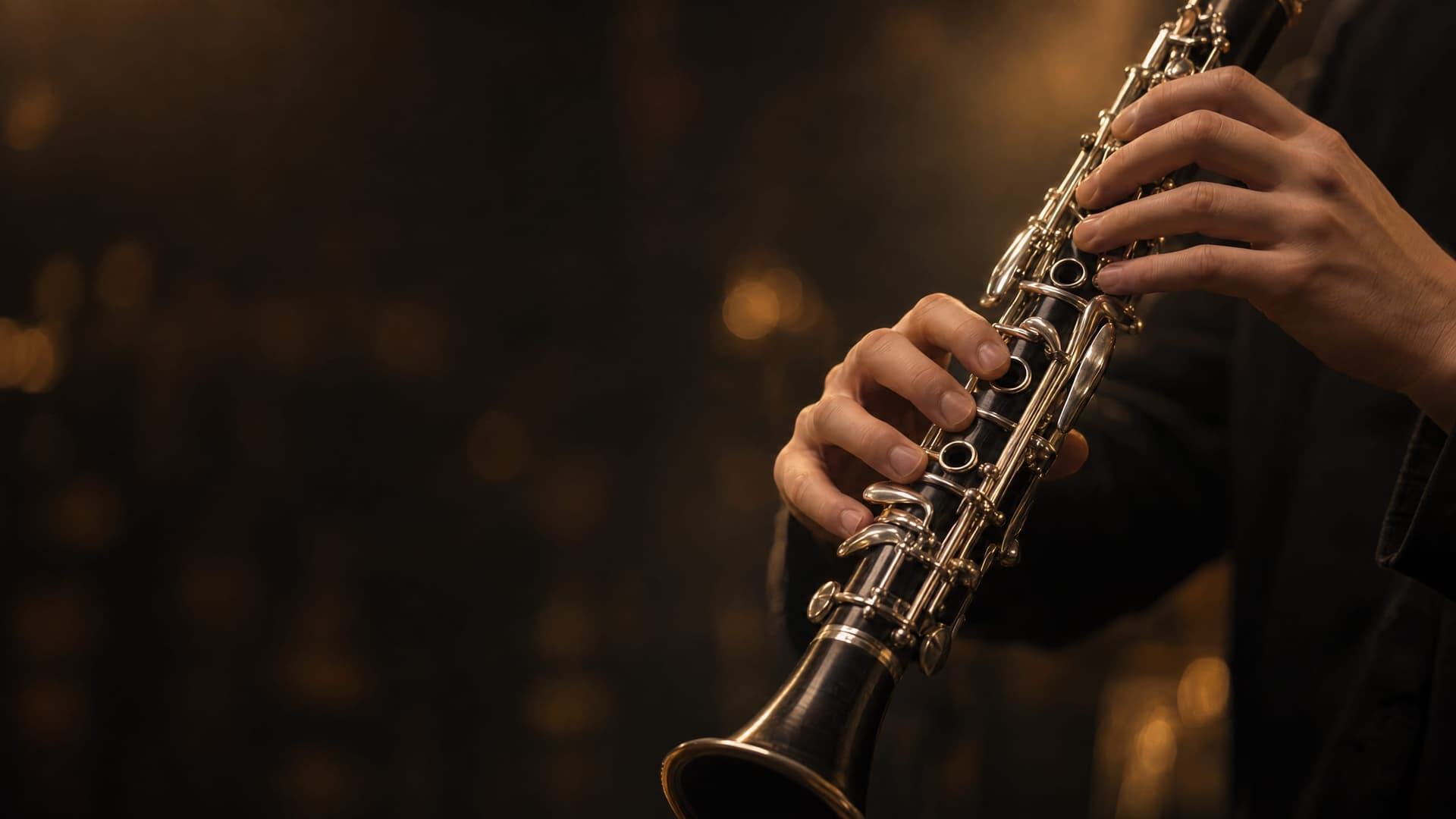
The clarinet possesses the widest pitch range of any common woodwind instrument, spanning nearly four octaves with a warm, woody tone in the lower register and a brilliant, piercing quality at the top. Learning clarinet in Online develops embouchure control, breath support, and finger coordination across a system of keys and tone holes that give you access to an enormous range of expression. The clarinet is central to orchestral music, wind bands, jazz, and klezmer, and its chameleon-like ability to blend or stand out makes it one of the most versatile instruments in any ensemble. From the opening glissando of Gershwin's Rhapsody in Blue to the warmth of a Mozart concerto, the clarinet is endlessly rewarding.
Use this page to get oriented, then compare real teacher profiles.
The best fit still comes down to the teacher’s experience, lesson style, rates, and whether they teach in person, online, or both.
Types of Clarinet Lessons
Clarinet lessons come in many styles. Here are some of the most popular approaches our teachers offer.
Classical Clarinet
Study the rich classical clarinet repertoire from Mozart and Weber concertos through Brahms sonatas to modern works. Develop tone across all registers, legato playing, articulation clarity, and the projection needed for orchestral and solo performance.
Jazz Clarinet
Explore the clarinet's jazz heritage from New Orleans and swing traditions through to modern improvisers. Learn jazz phrasing, improvisation over standards, bending, glissando, and the rhythmic flexibility that distinguishes jazz clarinet from classical playing.
Klezmer & World Styles
Delve into the expressive, vocal qualities of klezmer clarinet, including krekhts (sobs), trills, glissandi, and the modal scales that define this tradition. Explore how the clarinet is used in Balkan, Turkish, and other folk traditions.
Wind Band & Ensemble
Develop the ensemble skills needed for concert bands, wind quintets, and military bands where the clarinet section is the backbone. Focus on blend, section intonation, balance, and reading multi-part wind band scores.
ABRSM/Trinity Exam Prep
Targeted preparation for graded clarinet exams including set pieces, scales and arpeggios across the full range, sight reading, and aural tests. Your teacher will create a schedule covering all components of your target exam board and grade.
Reed Selection & Instrument Care
Learn to choose, adjust, and maintain reeds for optimal response and tone. Understand mouthpiece selection, ligature options, and instrument maintenance, all of which have a direct impact on your sound and playing comfort.
Why Learn Clarinet?
Extraordinary Range and Versatility
With a range approaching four octaves, the clarinet can play the lowest bass lines in a wind band and the highest melodies in an orchestra. This versatility means you can play virtually any role in an ensemble and access a vast solo repertoire.
Beautiful Tone from the Start
The clarinet produces a warm, rounded tone even at beginner level, which makes early playing more enjoyable. Unlike some instruments where the first months sound harsh, the clarinet rewards new players with a pleasant sound that motivates continued practice.
Strong Transferable Skills to Other Woodwinds
Clarinet embouchure and fingering skills transfer well to the saxophone, and the reed-playing fundamentals apply to oboe and bassoon. Many professional wind players started on clarinet and doubled on other instruments later in their careers.
Frequently Asked Questions
How much do clarinet lessons cost in Online?
Based on our current teachers, prices range from £31.5 to £39.9 per hour, with an average of £36. Clarinet lesson prices in Online are influenced by the teacher's orchestral, chamber music, or jazz credentials. Principal clarinettists and those with international competition experience are at the higher end, while experienced grade-level teachers offer more accessible rates.
What clarinet should a beginner buy?
A Bb clarinet from a reputable brand like Buffet, Yamaha, or Backun is the standard choice. Student-model instruments are well-made and affordable. Your Online clarinet teacher can test potential instruments and advise on setup. Avoid very cheap unbranded clarinets, as poor keywork leads to frustration.
How long does it take to learn clarinet?
Most beginners in Online can play simple tunes within the first few weeks. Reaching Grade 5 typically takes 3 to 4 years of consistent lessons and daily practice. The clarinet's register break, where fingering patterns change around the middle of the range, is the most common early challenge.
Is clarinet suitable for young children?
Children can typically start clarinet from age 8 or 9, once their hands are large enough to cover the tone holes and their front teeth are established. Some Online teachers start very young beginners on recorder or chalumeau before transitioning to clarinet.
How often do I need to replace clarinet reeds?
Reeds are a consumable and typically last 2 to 4 weeks depending on playing frequency. Most clarinettists rotate several reeds at a time. Your Online teacher will show you how to select, break in, and adjust reeds for the best response and tone.
Can I learn clarinet as an adult in Online?
Yes. The clarinet is a popular choice for adult beginners and returners. Adults develop embouchure control efficiently and bring strong reading and analytical skills. Many clarinet teachers in Online enjoy working with adults and will tailor repertoire to your interests.
Also Available in Online
Explore other music lessons with teacher profiles connected to Online.
Are you a clarinet teacher? Apply to teach music in Online — set your own rates and teach online or in person.